

Legends Dental
Gentle Kids Dentist near me in Gregory Hills
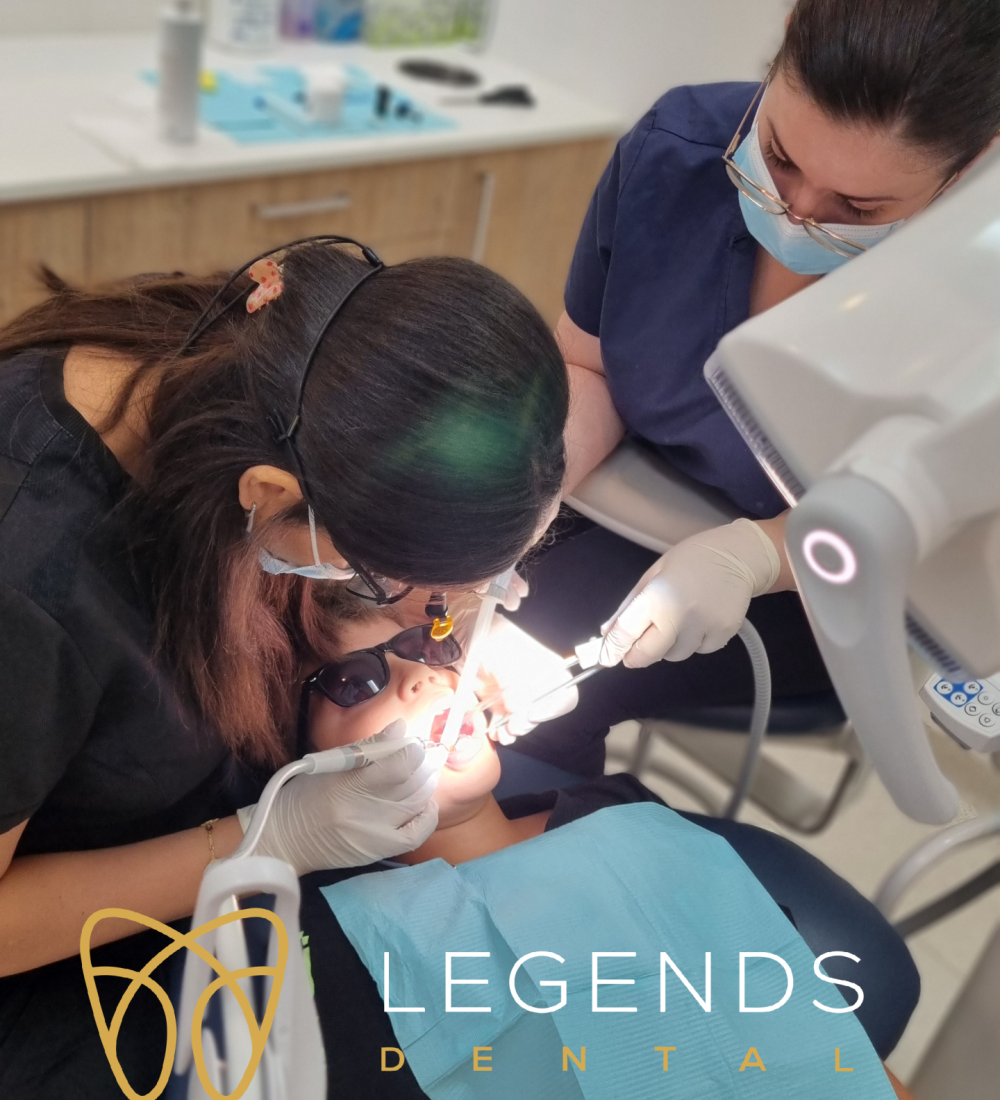
Looking for a kids dentist near you or a trusted children’s dentist in Gregory Hills? Legends Dental is a leading family dental clinic providing gentle, professional paediatric dental care in a calm, safe, and child-friendly environment designed to put both children and parents at ease.
We understand that dental visits can feel overwhelming for families, especially for young or anxious children. That’s why our team takes a caring, unhurried approach—listening to parent concerns, clearly explaining each procedure, and helping children feel comfortable, supported, and confident at every visit.
Our experienced children’s dentist is highly qualified in paediatric dentistry and provides comprehensive dental care for children of all ages. From a child’s very first dental appointment through to adolescence, we offer a full range of children’s dental treatments under one roof, including routine check-ups, preventive dentistry, advanced aesthetic treatments, and early orthodontic care—supporting your child’s oral health at every stage of development.
Legends Dental proudly supports families in our local community by delivering expert, compassionate, and inclusive children’s dentistry. We are committed to making quality paediatric dental care accessible and proudly offer free dental care for eligible children through the Medicare Child Dental Benefits Schedule (CDBS). If you’re unsure whether your child qualifies, our friendly team is always happy to help—simply contact us to check eligibility.
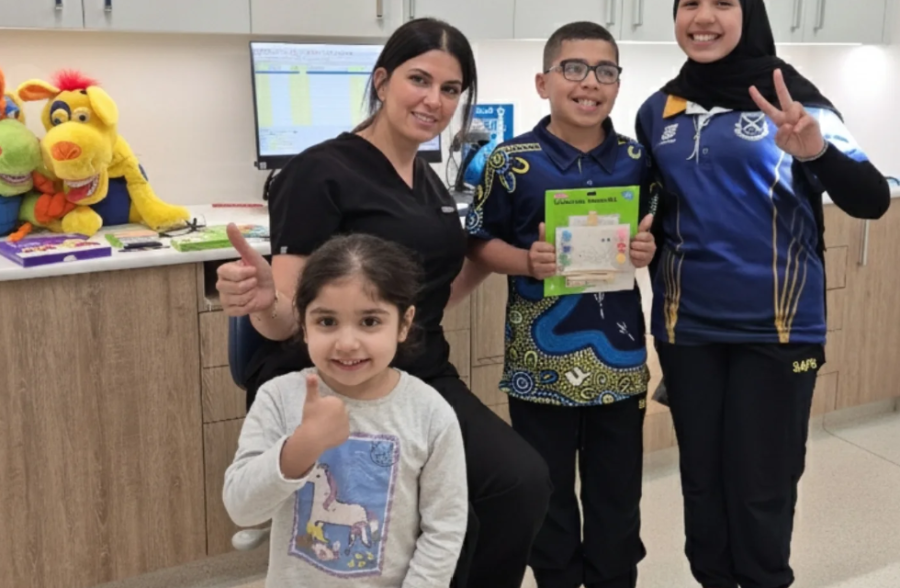
At Legends Dental, we focus on creating fun, fear-free, and positive dental experiences that help children build trust and confidence. By educating and encouraging our little legends, we help establish healthy habits that lead to better oral health and bright, confident smiles that last a lifetime.
Conveniently located off Camden Valley Way, Legends Dental welcomes families searching for an experienced kids dentist in Gledswood Hills, Gregory Hills, Harrington Park, Oran Park, Catherine Field, Leppington, Denham Court, Edmonson Park, Bardia, Narellan, Mount Annan, and the surrounding suburbs in the greater Macarthur and Liverpool city regions.
Why trust us for your child's dental care?
Specialization
Gentle Care Philosophy
Inclusive care
We are proud to have advanced expertise in:
• Autism-friendly dental visits with sensory accommodations
• Communication techniques for non-verbal patients
• Adaptive positioning for physical disabilities
Expertise
Advanced Paediatric Treatments
• Root canal
• Stainless crowns
• Space maintainers
• Early orthodontic treatments
Education
Dr. Slaiman
Meet our Kids Dentist
Dr. Rouba Slaiman
- Holds a diploma in paediatric dentistry (3-year specialty)
- Brings 15+ years experience in children’s dentistry from leading dental practices and hospitals in Australia and overseas
- Highly recognized for children’s cosmetic treatments
- Completed more than 500 treatments for anxious and special needs patients
- Qualified in early orthodontic treatments using space maintainers, palatal expanders, or partial braces/aligners
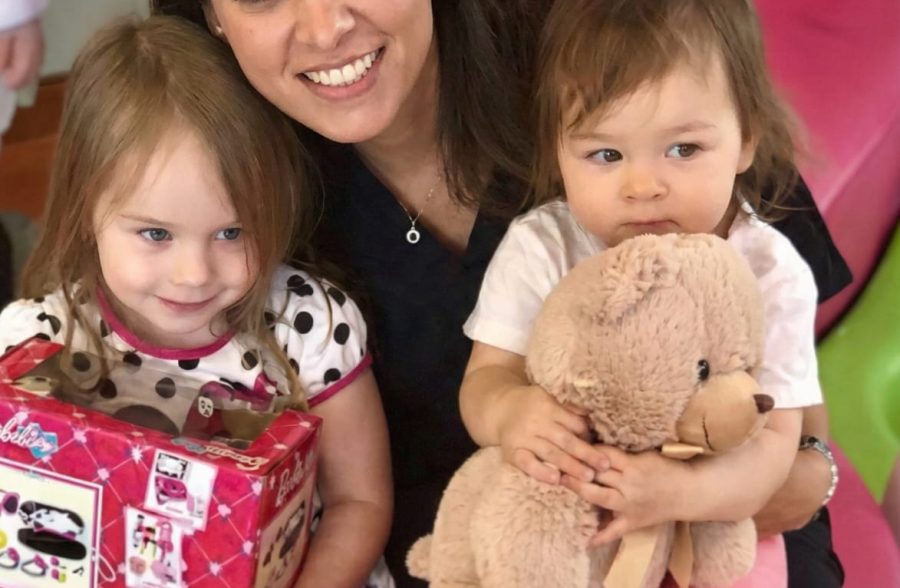
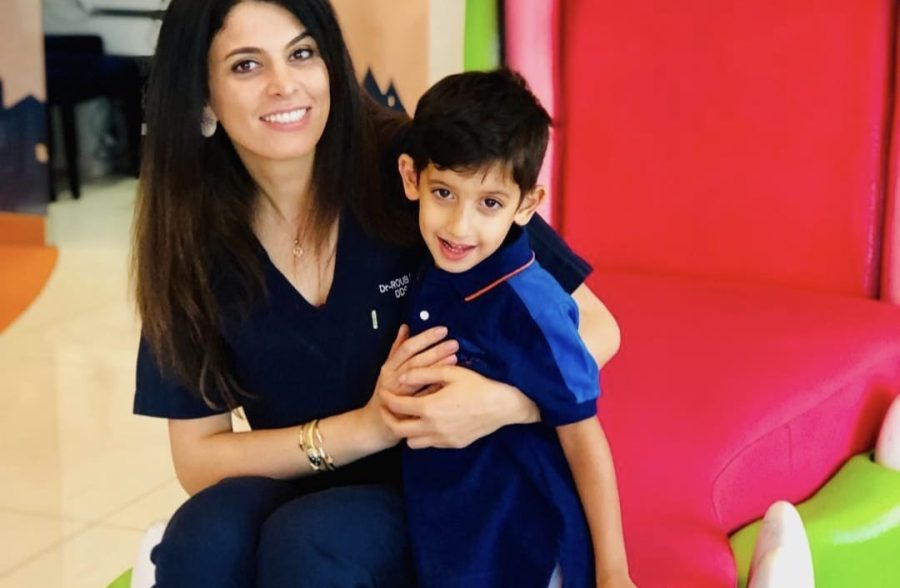
See what parents say about our children's dentistry
Frequently asked questions
What age should my child first visit a paediatric dentist according to Australian guidelines?
The Australian Dental Association recommends children have their first dental visit by age 1 or within 6 months of their first tooth appearing. Early visits with a paediatric dental specialist establish a “dental home” and help prevent future dental problems through early intervention and education.
How do I find a good kids dentist near me?
Look for a dentist who is experienced in providing gentle treatments for children, preferably holds professional qualifications in paediatric dentistry, and is trusted in the community with positive family reviews. The clinic should provide a child-friendly environment that helps kids feel comfortable and safe.
How often should kids visit the dentist in Australia?
Most children should visit every 6 months for check-ups. However, children at higher risk of tooth decay or with special needs may need more frequent visits as determined by the dentist.
Are baby teeth really that important?
Yes! baby teeth are crucial for proper chewing, speech development, and holding space for permanent teeth. Early loss of baby teeth can lead to orthodontic problems and affect your child’s confidence.
What preventive treatments does the ADA recommend for children?
The Australian Dental Association recommends:
- Fluoride treatments to strengthen tooth enamel
- Fissure sealants on permanent back teeth
- Regular professional cleanings
- Personalized oral hygiene instruction
- Dietary advice to prevent tooth decay
Are dental X-rays safe for children?
According to ADA radiation safety guidelines, dental X-rays use minimal radiation (less than a day of natural background radiation). We use digital X-rays which reduce radiation by 80-90% compared to traditional films.
What toothpaste should my child use?
- Under 18 months: Use water only, no toothpaste
- 18 months to 5 years: Use low-fluoride children’s toothpaste (pea-sized amount)
- 6 years and older: Use regular fluoride toothpaste
Look for toothpaste with the ADA Approved symbol.
Note: the actual fluoride dosage may vary from the guideline if the patient is determined to have a high risk of dental decay.
What treatments are covered by the Child Dental Benefits Schedule (CDBS)?
Medicare provides eligible children a range of dental benefits under CDBS (up to $1,132).
The dental treatments that could be bulk billed under CDBS include:
- General dental check-up
- Cleaning
- X-rays
- Fillings
- Root canals
- Extractions
Treatments related to orthodontics, cosmetic dental work, or hospital based services are not covered by CDBS.